Voy | Home task
I’m drawn to Growth design because it sits exactly where my strengths and interests meet, which is at the intersection of business strategy and human-centred design. As a designer, I want to operate as a strategic partner to drive user value and business growth by blending user insights with data to form and validate hypotheses through continuous experimentation.
At OpenTable, I led a Growth initiative (case study below) that spanned my move from individual contributor to design leader. As lead designer, I partnered with Product, Brand, and Research to identify new opportunities; and upon stepping into leadership, I guided a cross-functional team of product and content designers from strategy through execution. By defining the design strategy, facilitating workshops, and ensuring craft quality, I led the team in delivering a vision and results that I ultimately presented to executives, sales teams, and clients at our annual Sales Kickoff.
Case Study | OpenTable
My Role: This initiative spanned my transition from individual contributor to design leadership. As an individual contributor and the lead designer, I partnered with Product, Brand, and Research to identify new product opportunity. Upon transitioning into management, I led a cross-functional team of product and content designers through strategy and execution, ultimately presenting the final vision to executive leadership, sales teams, and clients at our 2019 annual Sales Kickoff.
Transitioning from intent-driven booking to inspired discovery to unlock repeat engagement and long-term retention.
The dining out journey. OpenTable strongly owns the booking decision but misses those diners who haven’t made up their mind. OpenTable’s biggest growth lever is in capturing the undecided diners during early discovery phase.
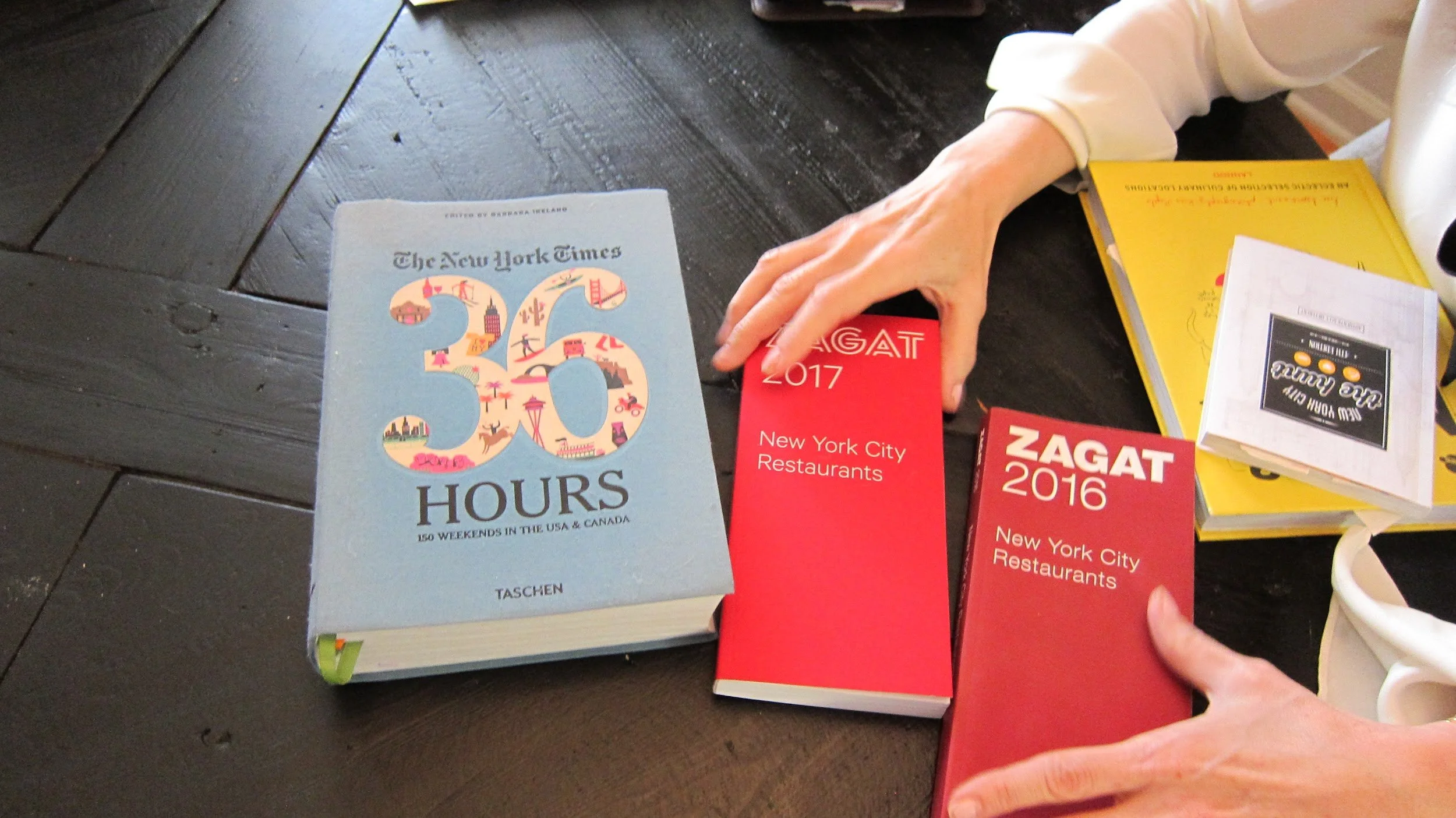
I’ll get restaurant ideas from my sister or from my foodie friends.
Problem: Discovery gap
For loyal diners, OpenTable is the gold standard for reliable, convenient bookings. However, user data revealed a critical gap in the journey: users view the platform as a purely transactional utility rather than a source of discovery and culinary inspiration.
Insight: Diners crave curation
Despite an 80% surge in “Best of” searches and 68% of surveyed diners relying on lists and word-of-mouth for ideas, users rarely associate OpenTable with inspiration. There is a massive intent gap between how users want to discover restaurants and how they perceive OpenTable.
Opportunity: Transform utility into discovery
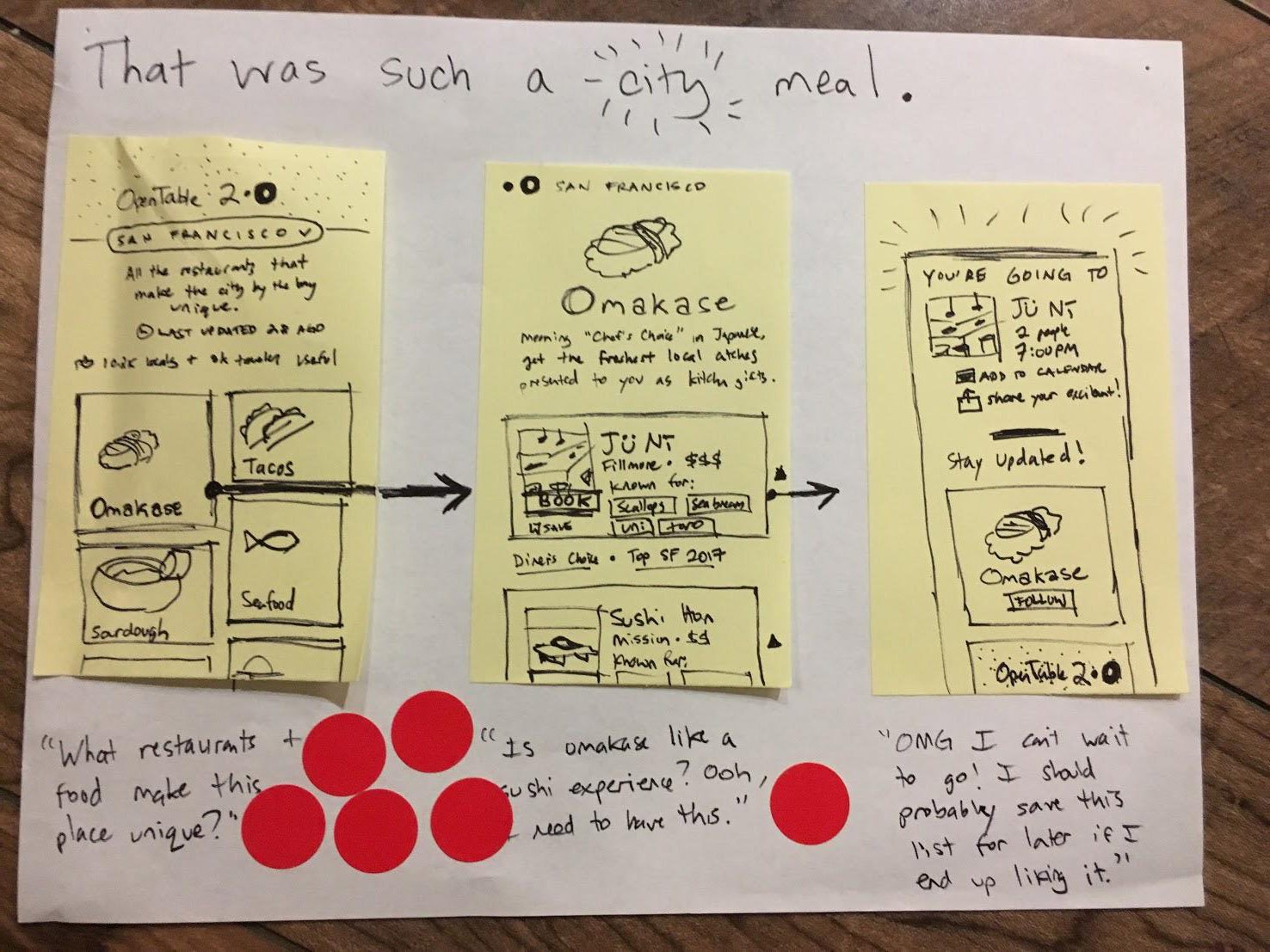
To capture this high-growth market, OpenTable must expand beyond purely transactional and grow into becoming a discovery destination. By delivering fresh, bite-sized, and highly shareable list content, OpenTable can become top-of-mind, seamlessly embedding itself into the initial decision-making phase of the user journey.
I’ll look through the Eater 38 list.
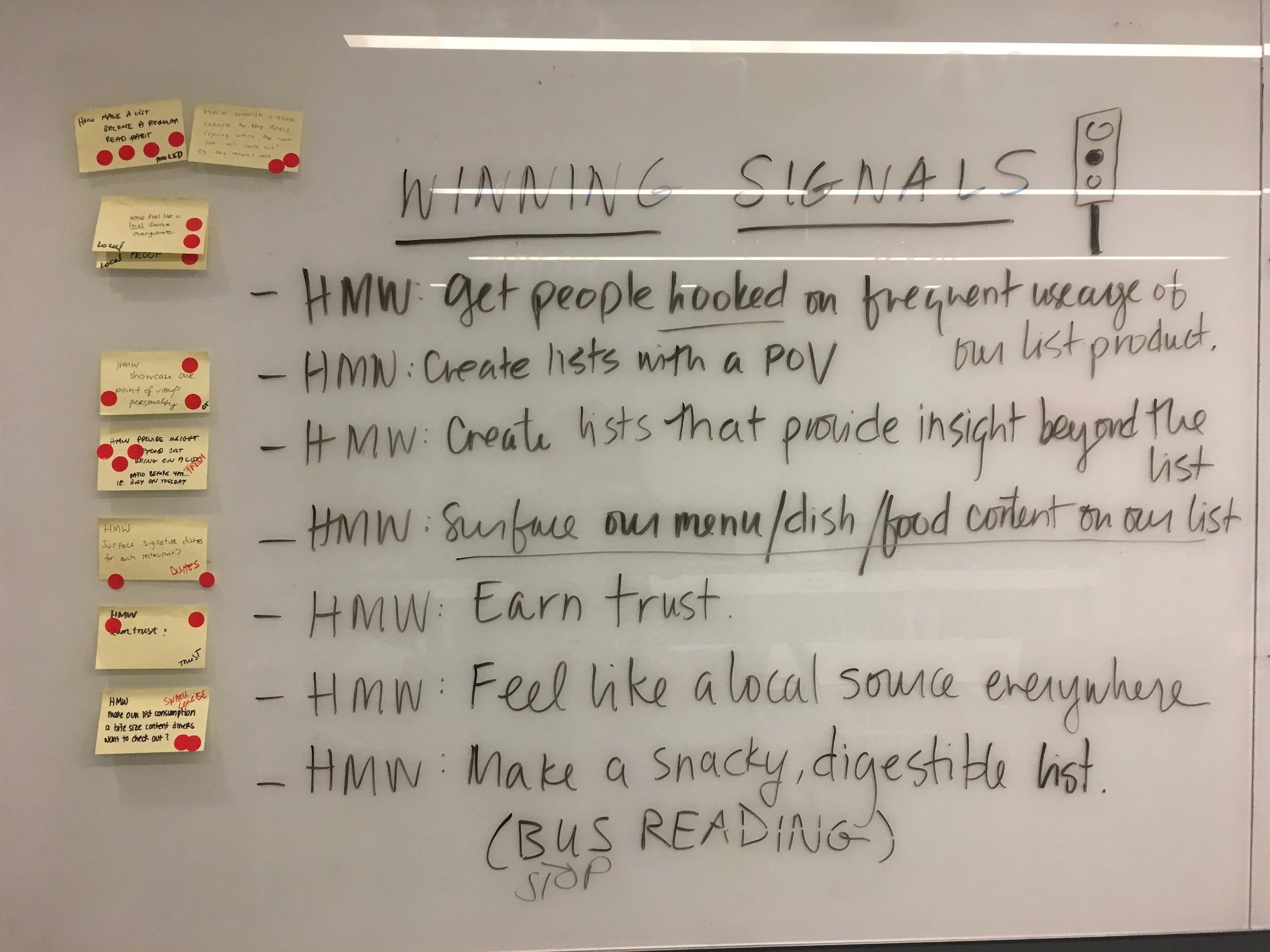
How might we support undecided diners and become the very first step in their decision-making process?
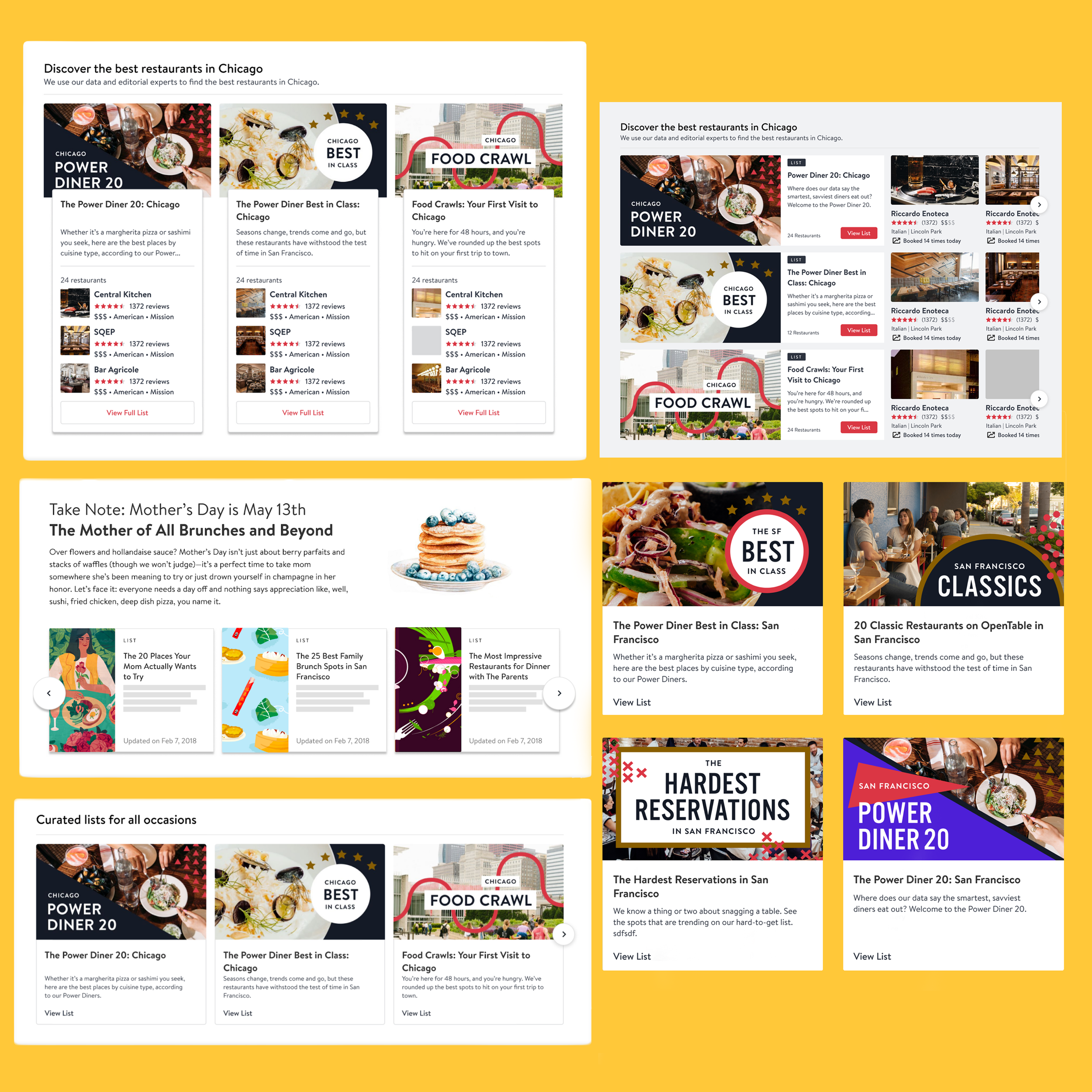
Tastemaker guides: Premium, editorially curated lists featuring exclusive recommendations from trusted culinary influencers and dining authorities.
Deliverable: Browsing-to-Booking list ecosystem
We delivered an ecosystem of curated List products — Tastemaker guides, Trend (aggregators) lists, and Review Spotlights — designed to serve both casual browsers and time-sensitive bookers.
The lists act as dynamic funnels, that guide users through a clear progression, regardless of their starting point. The UX blends editorial authority, data signals, and social proof to move users from inspiration to shortlisting, resulting in a confident booking decision.
Trend-based lists: Algorithmic lists driven by real-time behavioral data, capturing shifting consumer demand and rising search volumes to surface what is popular right now.
Content strategy: Experimenting with content formats to convert inspiration into bookings.
Results: Rapid scale and engagement
Within just one year, Lists established a permanent presence across all OpenTable platforms and core landing pages. The feature achieved massive operational scale and high user resonance:
Massive feature scale: Expanded to over 1,000+ lists spanning 36+ topics across 15+ major cities.
High user resonance: Drove an average dwell time between 2 to 4 minutes per list, proving users were deeply engaging with the content.
High intent adoption: Captured 25 million users who actively created a list and/or favorited a list, building a massive foundation of high-intent user data.
Review spotlights: Data-synthesized lists that leverage positive review sentiment to cluster top-rated dishes into high-intent category guides.
Behind the scene: A peak into the team’s process & approach